We inherit more than just the content of debate — we inherit the frame.
Whether we’re arguing about job numbers or national security, we often start from a set of assumptions handed down to us: which metrics matter, what outcomes are desirable, what tradeoffs are off-limits, and above all, who’s right and who’s wrong. It’s like we’ve been handed a picture frame and told, “This is the debate. Pick a side.”
But what if the frame itself is outdated?
Some people are beginning to sense this. Many aren’t yet aware of how profound the impact of AI — and particularly large language models (LLMs) — could be on how we frame problems in governance, legislation, and everyday thinking. AI isn’t just a content tool. It’s a context-shifting force. And that alone can be threatening.
Key Takeaways
- Framework Before Facts: Most arguments are framed within a legacy structure — whether it’s the left vs. right binary, GDP-centric policymaking, or Cold War-style national security. These frames are rarely questioned, yet they silently govern what kinds of solutions are even imaginable.
- AI as Frame-Shifter: Large Language Models aren’t just there to summarize articles — they allow for simulations of alternate framings. They can help remix inherited assumptions and introduce “what if” thinking into stale or gridlocked debates. That’s subversive, in the best sense.
- The Galileo Problem: Galileo didn’t just challenge specific claims — he disrupted who got to define the frame itself. AI often threatens inherited authority not because it’s emotional or activist, but because it forces us to rethink the lens — and legacy institutions aren’t built for that kind of humility.
- Personal Cost of Reframing: We still “Galileo” people today — not with prison, but with silence, distancing, or social exile. I’ve personally seen family members effectively excommunicated — not because they were cruel or conspiratorial, but because they questioned inherited narratives or refused to take a binary stance. The emotional toll of challenging the frame can be as isolating now as it was then.
- Every Law or Bill Deserves Reframing: Whether it’s a revised jobs report that calls into question how we measure economic health, or a security bill that reanimates old fears while bypassing modern realities, AI can help us reframe. Not just reanalyze. That distinction is everything.
We don’t need AI to “pick a side.”
We need it to ask better questions than we’re willing to — and offer framings we haven’t inherited.
That’s the power.
That’s the threat.
And maybe… that’s the beginning.
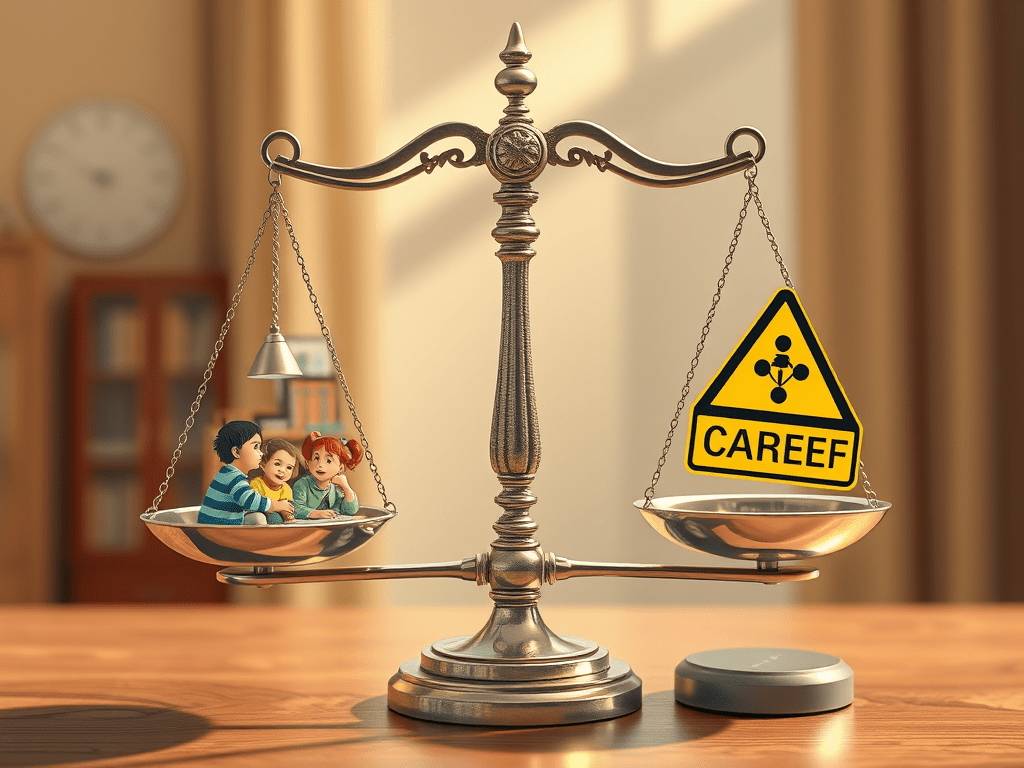

 Is A Bill Just A Bill?
Leave a comment