
Bill under the lens: H.R. 3841 – The Healthcare Cybersecurity Act of 2025
This bill means well: it asks the Cybersecurity and Infrastructure Security Agency (CISA) and HHS (Department of Health and Human Services) to help healthcare organizations strengthen their cyber defenses through voluntary training, improved information sharing, and best-practice guidance.
And on the surface, that sounds reasonable. But take a closer look: the entities it touches number in the tens of thousands — public hospitals, rural clinics, FQHCs, VA systems, state labs, nonprofit partners, tribal health sites, and more. It’s one of the most fragmented, under-resourced, and highly targeted sectors in the country.
Now ask: Can a few workshops and white papers really defend that landscape?
This feels like a plan built for a slower era — one that leans on people, memos, and “awareness.” But 2025 threats don’t move at the speed of awareness. They move at the speed of malware trained on LLMs and adaptive ransomware-as-a-service.
💡 What If We Reframed the Bill?
Instead of asking every small clinic in America to learn how to harden their infrastructure, what if we gave them something that protects them by default?
Picture this:
A government-developed AI-powered cyber shield — an always-on, modular system designed to:
Detect legacy vulnerabilities Quarantine malicious traffic Intercept social engineering vectors Respond in real time, not just after the breach
Think of it like a Digital Iron Dome for healthcare — a system that doesn’t just warn you there’s an incoming attack… it stops it before it hits patient care systems.
🧩 And Here’s Where AI Companies Come In
Tech companies have made very public promises about doing right by the public — and many are pushing back on heavier-handed regulation.
This is a real opportunity for companies like OpenAI, Google DeepMind, Microsoft, Amazon, and Anthropic to show what public-interest AI can actually do:
Contribute engineering resources to help CISA and HHS build deployable defense agents Open-source foundational models for hospital-grade cybersecurity tools Help staff a federally hosted AI cyber lab focused on critical infrastructure protection
This wouldn’t require them to give up proprietary models. It would simply let them participate — publicly and transparently — in protecting civilian infrastructure from clear, growing threats.
⚖️ But There’s a Bigger Pattern Here — And It’s Not Just About Cybersecurity
This bill — well-intended as it is — quietly reveals a bigger issue: many of our elected representatives are legislating at a pace and scale that no longer matches the speed or complexity of the problems they’re trying to solve.
And that’s not an insult — it’s a system design flaw.
We need to normalize a process where draft legislation is “AI-audited” before introduction — not to write policy, but to:
- Flag scale mismatches (like this bill’s massive footprint vs its limited execution plan)
- Detect overlooked actors (e.g. third-party vendors, low-resourced clinics)
- Simulate potential costs, enforcement burdens, or duplication
- Offer alternate architectures using AI-native solutions, not paper playbooks
Not every bill deserves a full team of human analysts — and we now have the tools to spot strategic blind spots before they become operational liabilities.
A platform for AI-powered legislative vetting could be one of the most quietly transformative civic technologies of the decade — improving quality, accountability, and the chance of real-world impact.
The Bottom Line
The healthcare sector doesn’t need more advice.
It needs a digital shield — something scalable, adaptable, and fast.
And our lawmakers — especially those who truly care — deserve the best tools to think through the scope of what they’re proposing.
This isn’t about stifling legislation.
It’s about legislating with intelligence — and recognizing that even the most dedicated public servant can’t outrun exponential complexity alone.
That’s not just future-forward governance.
That’s AI-enabled public service with real-world stakes.
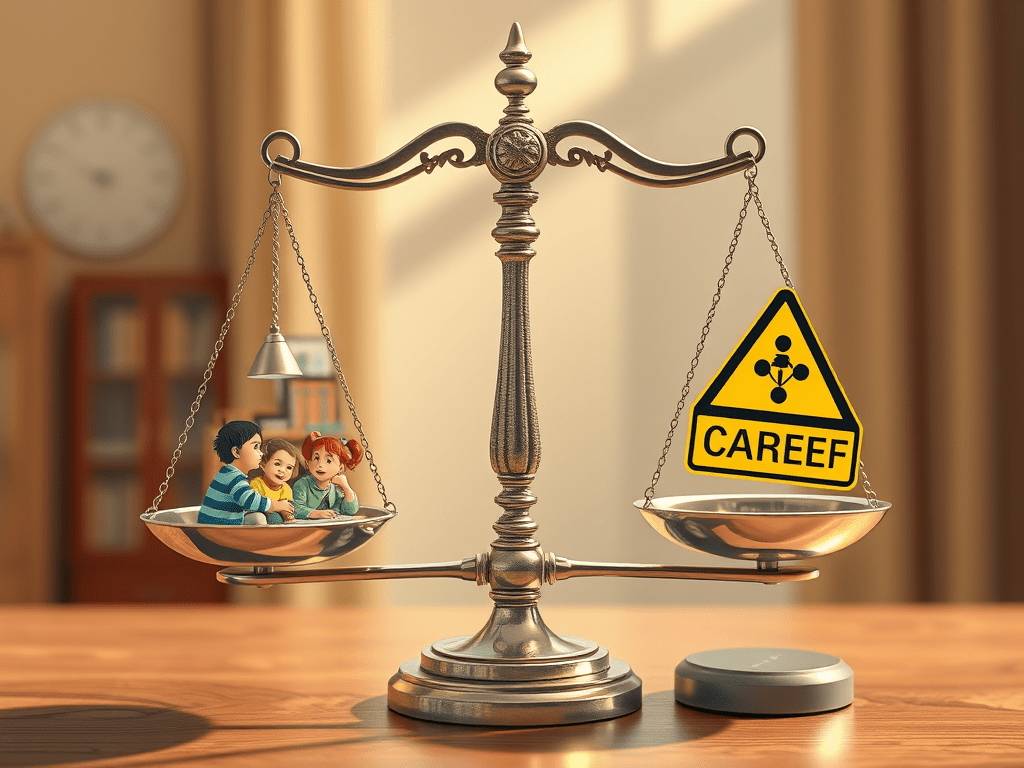
 Is A Bill Just A Bill?
Leave a reply to 🖼️🔭 Reframing the Frame – Is A Bill Just A Bill? Cancel reply