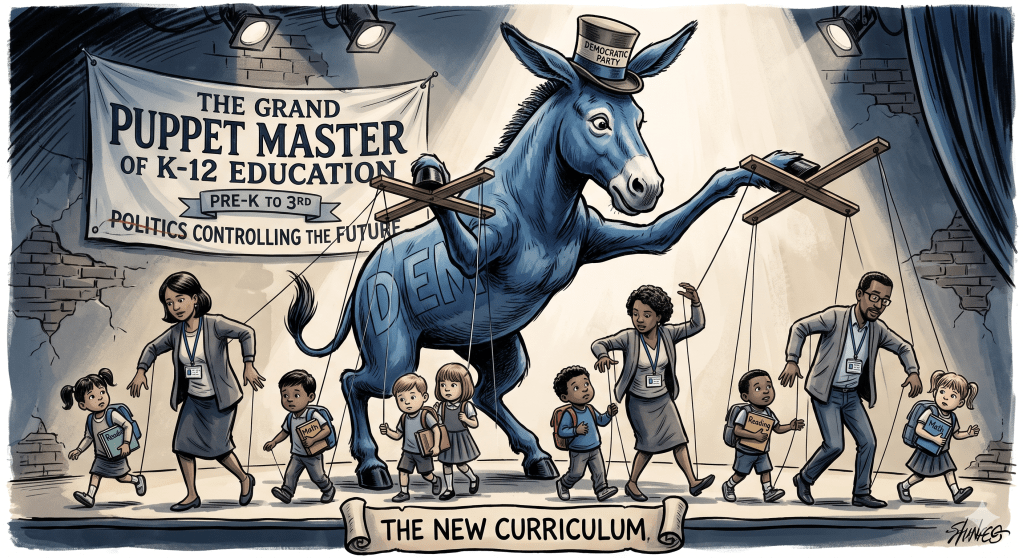
In Massachusetts, a bill focused on shifting to phonics-based reading instruction is currently sitting on Governor Healey’s desk. This comes after Democrats have held a super-majority in the state legislature for years.
For over 15 years, we’ve seen a well-documented decline in third-grade literacy rates—the exact point where kids are supposed to transition from “learning to read” to “reading to learn.” The data on what happens to students who don’t reach proficiency by fourth grade is sobering: significantly higher risks of falling behind, dropping out, or struggling long-term in school and beyond.
I’ve written about the history and specifics in previous posts (linked below). What stands out now is an exposure that neither Republicans nor independents have fully pressed on yet.
Low literacy has hit certain communities especially hard—particularly non-white districts and households where English is not the first language. This isn’t exclusive to those groups, but the concentration is unmistakable. Families with cultural or financial resources have often found ways to compensate (tutoring, enrichment, etc.). Those without those options have been left behind by teaching methods that research has shown aren’t working for many kids.
Here’s the uncomfortable part: If Republicans had held super-majorities for 15+ years while literacy cratered in non-white and immigrant communities, this would be framed as systemic racism and deliberate neglect. Low-hanging fruit. Yet under sustained Democratic control—and strong teachers’ union influence—this has received far less scrutiny.
The current bill moving toward phonics is a step, but it still leaves major gaps:
- Little specific language for teaching reading to English language learners.
- Almost nothing for the thousands of students already in 4th–12th grade who missed the foundational window and are now struggling upstream.
Is this a broken system—or one working as designed?
One way to judge a system is by its consistent outputs over time. For 15 years, Massachusetts has produced predictable results: too many kids (disproportionately from certain communities) entering fourth grade without solid reading skills. Those outcomes have downstream effects—disruptive behavior, lowered self-worth, pipelines toward welfare, juvenile justice, and reduced access to high-skill careers in STEM, history, and beyond.
This doesn’t just limit competition for elite tracks. It creates demand for social services, expands certain institutional footprints, and protects advantaged families (of any race) who can opt out or supplement. In effect, it draws a line between the “haves” and “have-nots”—even within the same ethnic or cultural groups. Those with resources compensate. Those without bear the cost.
If this were a corporation selling a product that failed for 15 straight years with foreseeable harm, we’d be talking class actions. In government, liability shields usually apply. But political accountability shouldn’t.
As midterms approach, some direct questions are fair game for any legislator—Democrat, Republican, or independent:
- Did you know about the third-grade literacy data in your district?
- When did you know it?
- What bills did you file to address it over the last decade?
- Why did it take a “Fair Share” tax conversation to finally move on foundational reading?
This isn’t about one party being uniquely evil. It’s about holding the people actually in power accountable for results in the state they’ve dominated.
Voters in impacted communities deserve better than performative solutions that ignore kids already in the pipeline and the English learners still coming through. Parents across the board—white, non-white, immigrant, native-born—deserve honest answers.
What do you think? Is this a genuine policy reckoning, or another incremental adjustment while the same patterns continue?
Previous context in this series:
- The Persistent Floor: Lower-Performing Schools and the Long Tail of Massachusetts’ Literacy Divide
- The Silent Crisis in 4th Grade Reading: What Experienced Teachers Have Seen for Years
- The 40% Failure: How Massachusetts Lawmakers Watched a Literacy Empire Crumble
Would love to see detailed breakdowns of individual legislators’ records on this issue in future discussions.




Leave a Reply